



 France
 Espagnol
Vietnamese lacquer, typical handicraft product of Vietnam
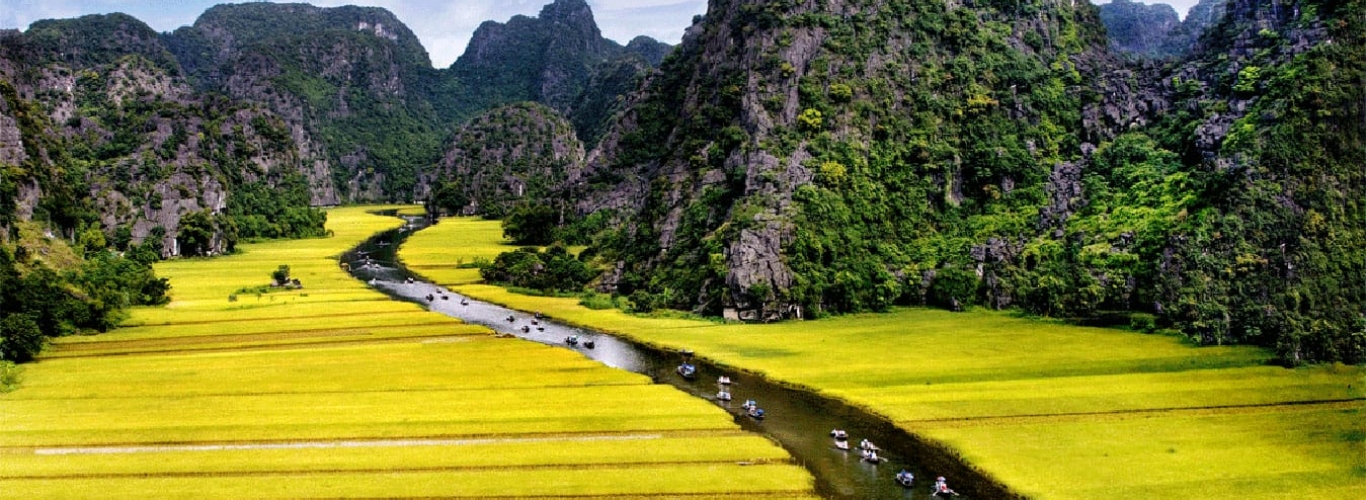
Lacquer is a resin of a shrub planted mainly in the province of Phu Tho in northern Vietnam, Toxicodendron vernicifluum or lacquer. We can also find the Toxicodendron succedaneum. First extracted from the tree, the varnish is white and condensed like milk then browns in the air and becomes gradually black when it is dried. Once cured, the lacquer forms a durable, lustrous surface, making it ideal for preserving materials such as wood and bamboo. In southern Vietnam, the laker is also planted in the Lam Dong province in the highlands to supply the southern market. The first traces of lacquer were found in China 3,000 years ago and its technique developed in Vietnam by embedding some mineral pigments and mother-of-pearl to produce other types of lacquers.
The work of lacquer
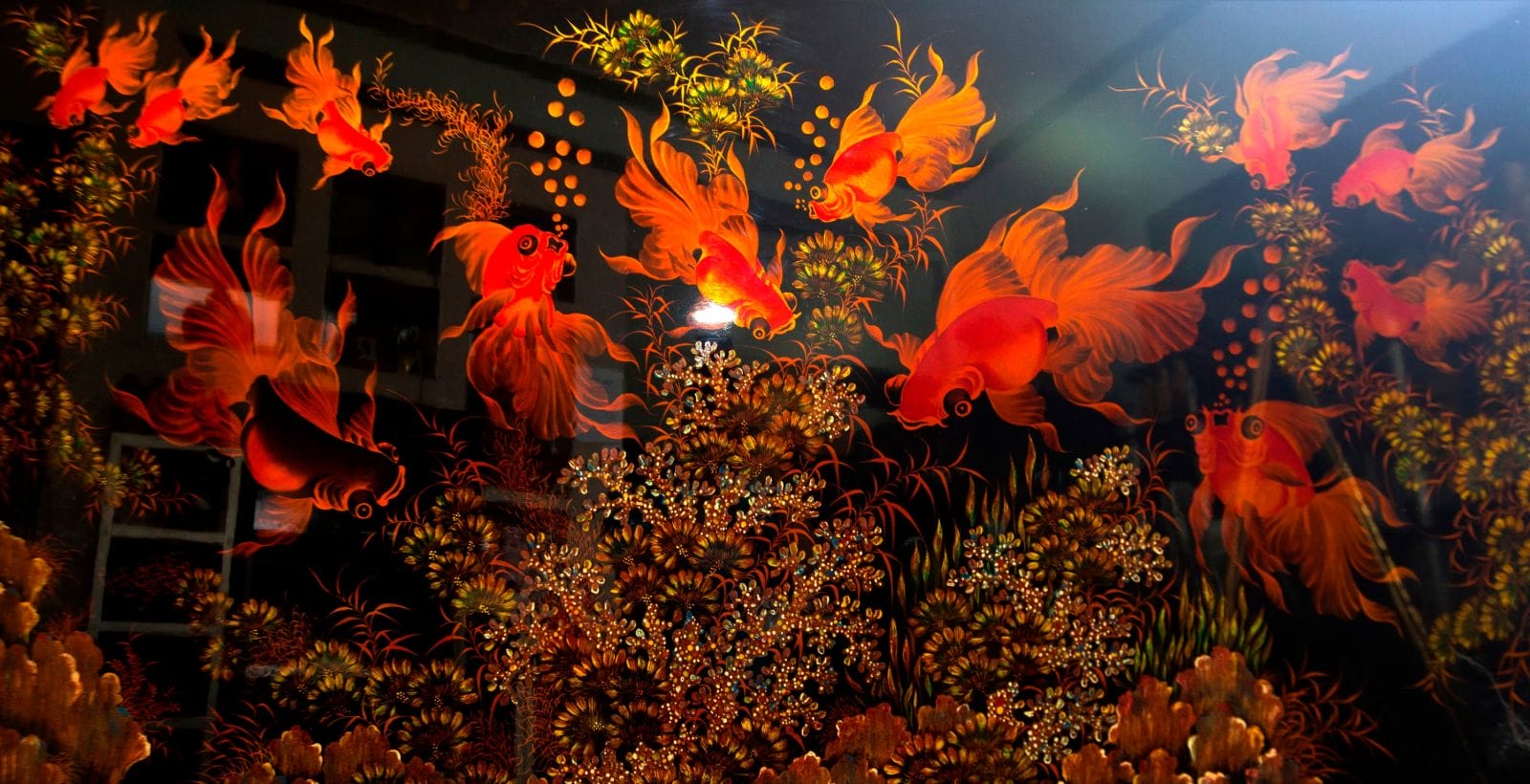
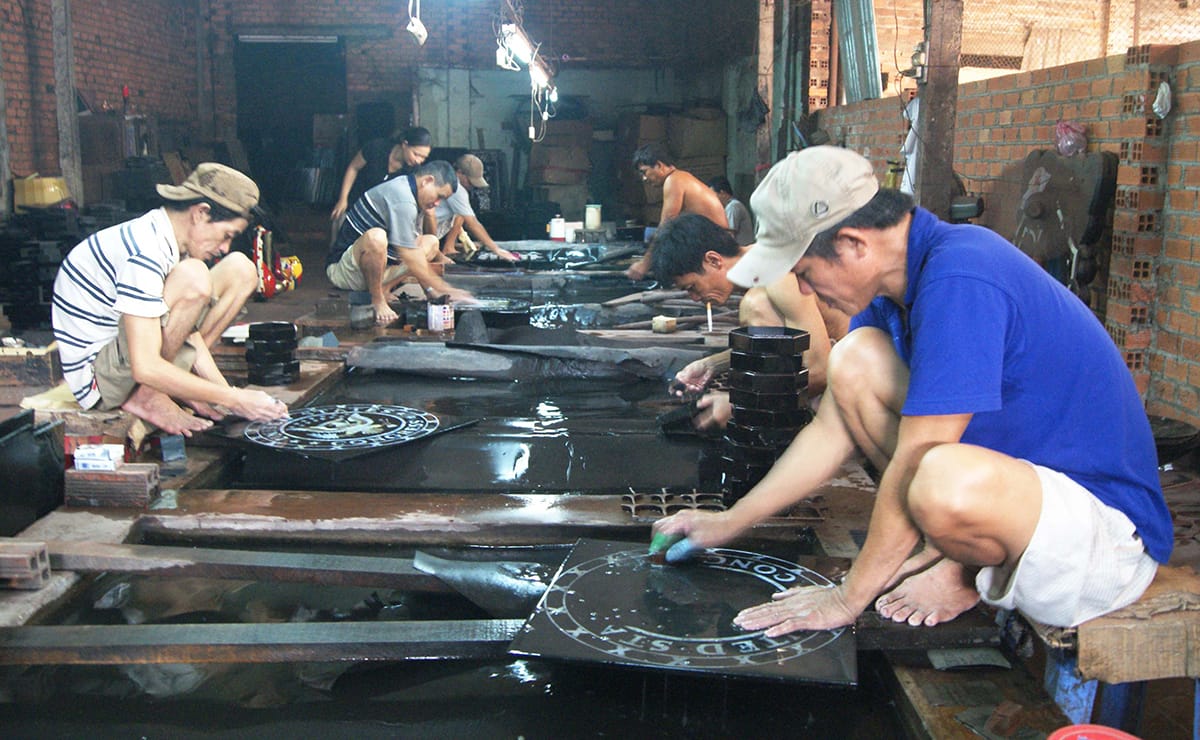
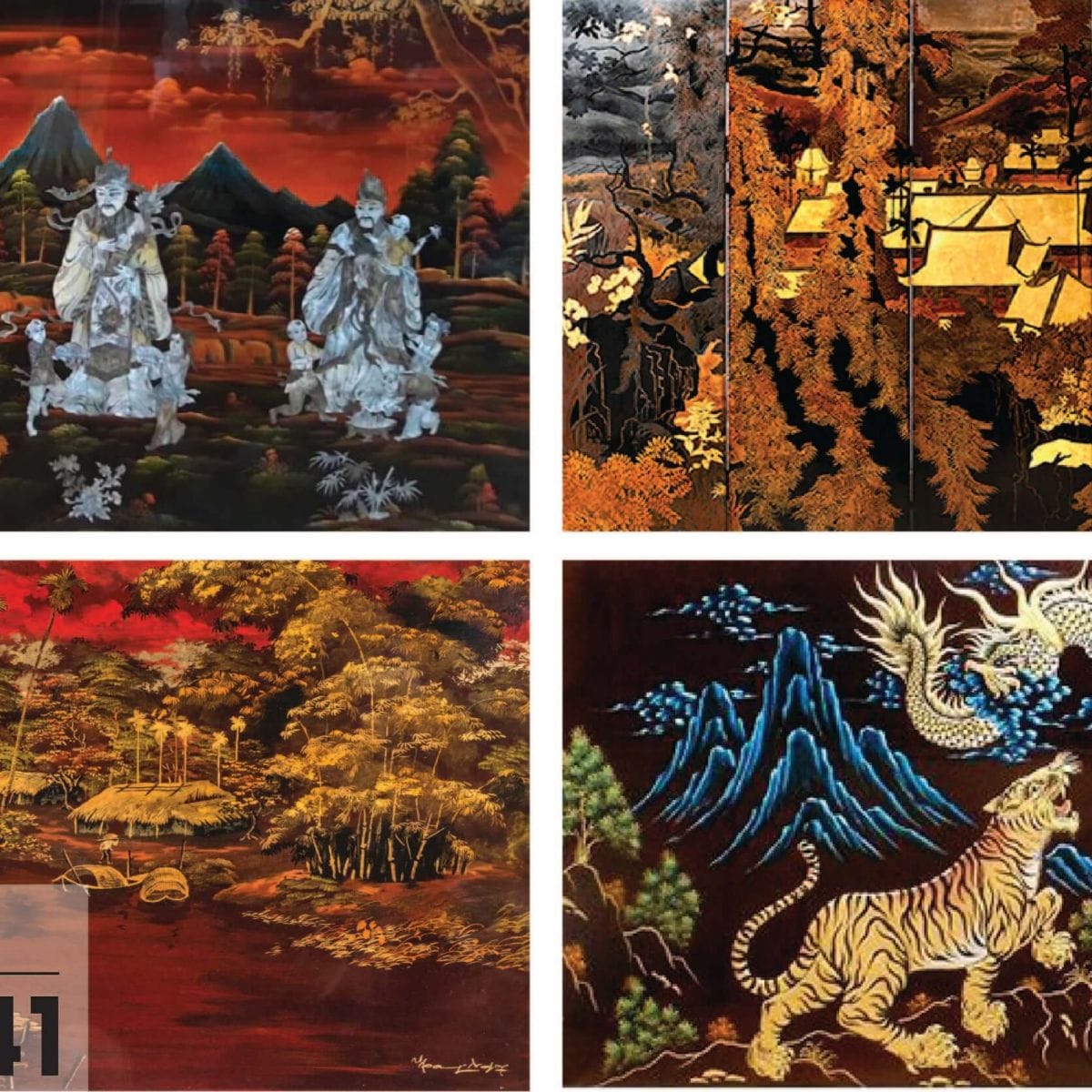
Vietnamese lacquer is the result of extremely laborious and time-consuming work. Each Vietnamese lacquer usually goes through 20 stages, no less than 100 days, whether it is a great work or some small pieces of lacquer, such as bowls. There are in fact 3 types of lacquer: Burgundy lacquer (inlaid with mother of pearl), lacquer with Vietnamese eggshell and lacquered paint; or any of these three kinds of lacquer can be used to make combinations.
First of all, however, it is necessary to select the appropriate material for each Vietnamese lacquer: bamboo, wood, palm leaf, metal or even leather. As the artist creates his work, the material is filled with a layer of lacquer that gradually infiltrates into the material to make it harder and more impervious to all weather and insects. Between each layer of lacquer, the artist must wait for the lacquer to dry and then rub it in the water. The work will be repeated several times (sometimes up to 15 layers of lacquer or more) until the lacquer becomes totally smooth.
The three kinds of lacquers are
Burgundy lacquer
Burgundy lacquer is a lacquer mixed with mother of pearl or sea shells. The mother-of-pearl is cut into different shapes with a thickness of about 2 mm each. It will then be encrusted in the lacquer to be applied as layers on the work worked. Pearl lacquer is very soft to the touch;
Vietnamese eggshell hairspray
Duck egg shells that have already been hatched are most often used because of their thickness and whiteness. The egg shell is applied to the first lacquer surface and then the shell is colored using mineral pigments mixed with chemical dyes. Several other layers of lacquer are rubbed into the water each time;
Lacquered paint
The artist will paint directly on the treated raw material using mineral pigments mixed with lacquer. Like the other two types of Vietnamese lacquer, the painted lacquers will be filled with several layers of lacquer and rubbed in the water until they become completely smooth.
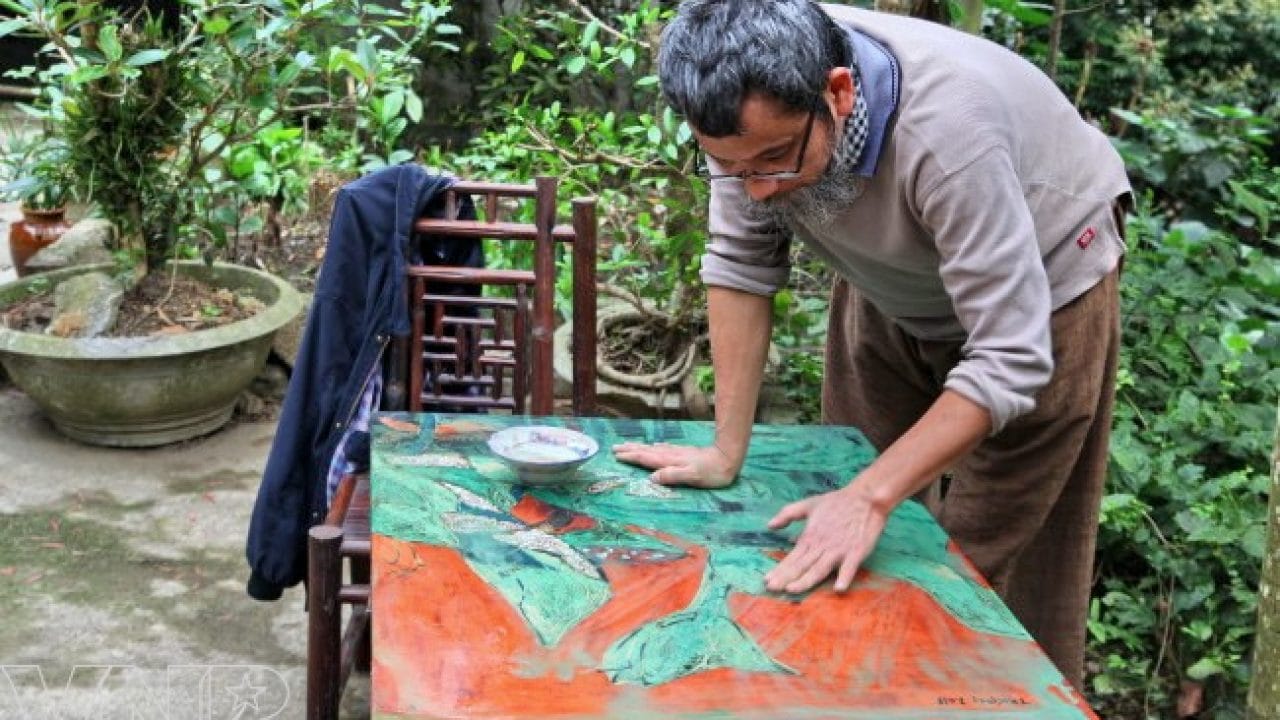
Polishing lacquer
The last step, and not least, is the polishing phase of the lacquer. The polishing of lacquer plays an important role in the process of creating Vietnamese lacquer. Lacquer, after being rubbed several times in water, is smooth but not glossy. As a result, an abrasive as diverse as charcoal or iron oxide is applied with the palm of the hand to polish the lacquer. Lacquer, after being polished, is like a mirror where you can see yourself in the reflection.
Travelers talk about us ...
Found this trip organiser on forums/websites and thank to some very good reviews, my friend and I were looking to discover the Vietnamese's
I was referred by a friend to Mr. Ha Nguyen at Vietnam Original Travel - Hanoi Branch and I’m so very very pleased that I was
We pre-booked a short trip around Northern Vietnam with Vietnam Original tours. They responded very quickly to email and were very helpful
And we are recommended