 France
 Espagnol
HOI AN TRAVEL: TIPS FROM A TO Z
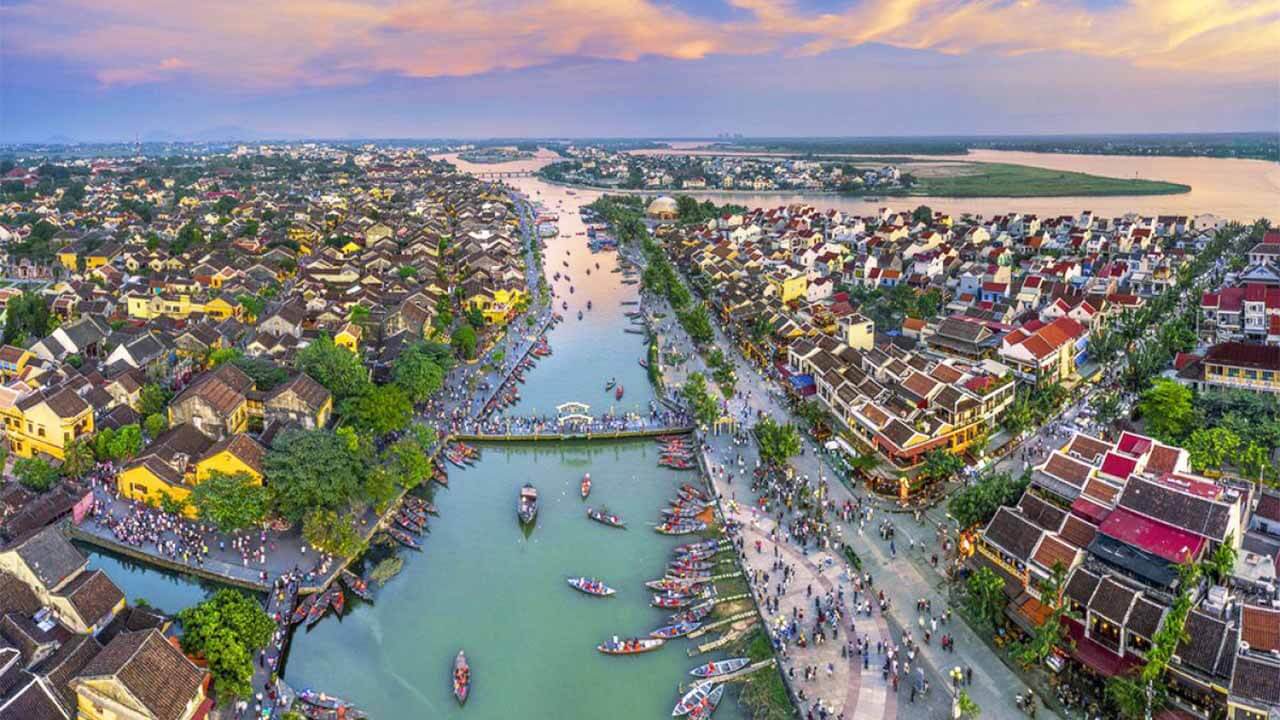
Hoi An is famous for charming, peaceful aesthetic and the Old Town, a UNESCO World Heritage Site. There is nothing better than getting lost in the ancient town, feeling like stepping back into the past, contemplate the mesmerizing beauty of the city which was never devastated during the Vietnam War.
HOI AN TRAVEL OVERVIEW
Situated in Central Vietnam, Hoi An has the convenient geographical location; thus the city owns both ecological and geographical diversity. From the 15th to 19th century, the Old Town of Hoi An was a trading port and designated a UNESCO World Heritage Site in 1985. Up to present, Hoi An's ancient history is still alive through colonial French architecture, a quaint riverfront promenade, pedestrian-friendly streets, medieval two-story wooden buildings, and colorful lanterns in narrow alleyways that light up the town every evening. Arriving here, tourists have chances to explore traditional markets, admire the rustic beauty of craft villages, the unique architecture of ancient buildings and taste the delicious local food.
Climate
Affected by the tropical monsoon climate Hoi An has two different seasons, dry season (February to August) and rainy season (September to January). The weather is quite hot, sunny and humid with much rainfall through the year. The average annual temperature is approximately 25 degree Celsius, with the highest temperature reaching 39 degree Celsius from June to August and the lowest temperature dropping to 22 degree Celsius. The best time to visit Hoi An is from February to May when temperatures are pleasant and the rainfall is low.
WHAT TO VISIT IN HOI AN
1. Hoi An Old Town
The Old Town or the “Ancient Town” is a melting pot of architecture, cultures, and monuments in the ancient trading port in Southeast Asia. With more than 30 hectares and 1,107 timber frame buildings, the well-preserved historical center contains many religious buildings, historical relics, old wooden and brick houses and Chinese assembly halls. The centerpiece of the old town is the picturesque Japanese Covered Bridge with Japanese architectural style yet Chinese symbols. Walking through the old streets of the charming town, tourists will be stunned at the unique architecture, mixed from the French, Chinese, and even Japanese.
2. My Son Sanctuary
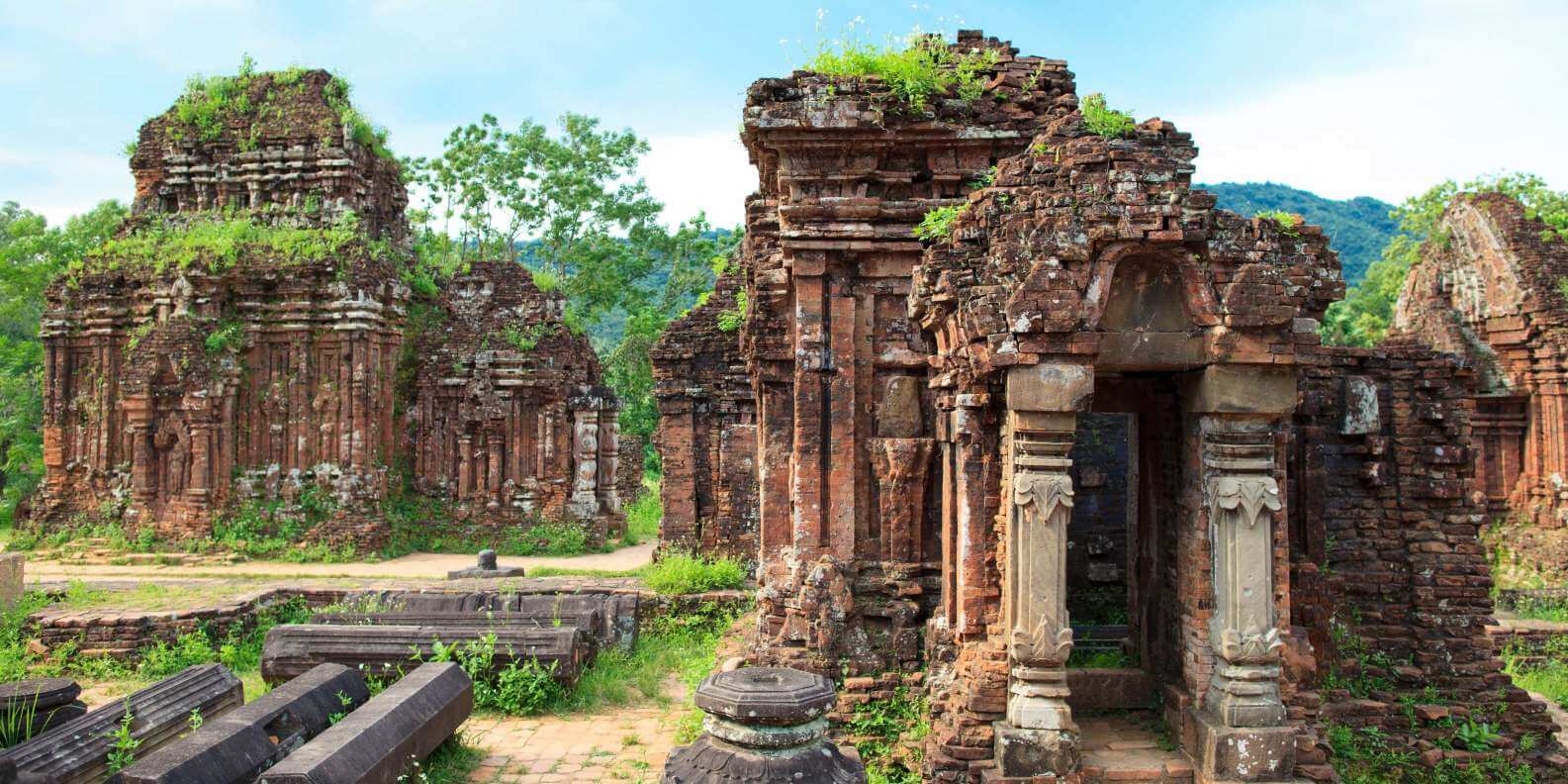
As the 1600-year-old ruins of the Champa Kingdom, My Son Sanctuary is a UNESCO World Heritage Site and an interesting archaeological site of Indian Hinduism. Many of the temples here were constructed for Hindu divinities, including Krishna, Vishnu, and Shiva. Apart from religious features, My Son Sanctuary allures visitors by its unique Cham’s architectural style, significantly influenced by the Indian.
3. An Bang Beach and Cua Dai Beach
As the whitest and softest beach in Hoi An, An Bang beach is mesmerizing with the Cham islands dotting the turquoise waters in the distance. At the beach, tourists cannot miss tasting the delicious seafood and do aquatic activities such as surfing, paddle boarding, parasailing or swimming in the clear waters. Refer to Cua Dai, the beach is famous for white sands sloping into the turquoise waters and soft blue waves, which is ideal for swimming and sunbathing.
4. Tan Ky and Phung Hung Ancient Houses
Exploring the stunning architecture of ancient houses is not-to-miss experience. As the oldest house in Hoi An, 200-year-old Tan Ky ancient house was originally the residence of the noble Le family. Untill now, Tan Ky Ancient House still remains the unique ancient architecture with spacious space for exhibiting many antiques. Besides, Phung Hung ancient house was formerly a merchant house for selling spices, silk, and chinaware. The house retains its ancient beauty with colorful lanterns, dark red and brown colors, a Japanese-style roof and Chinese inscriptions.
5. Cultural Assembly Halls
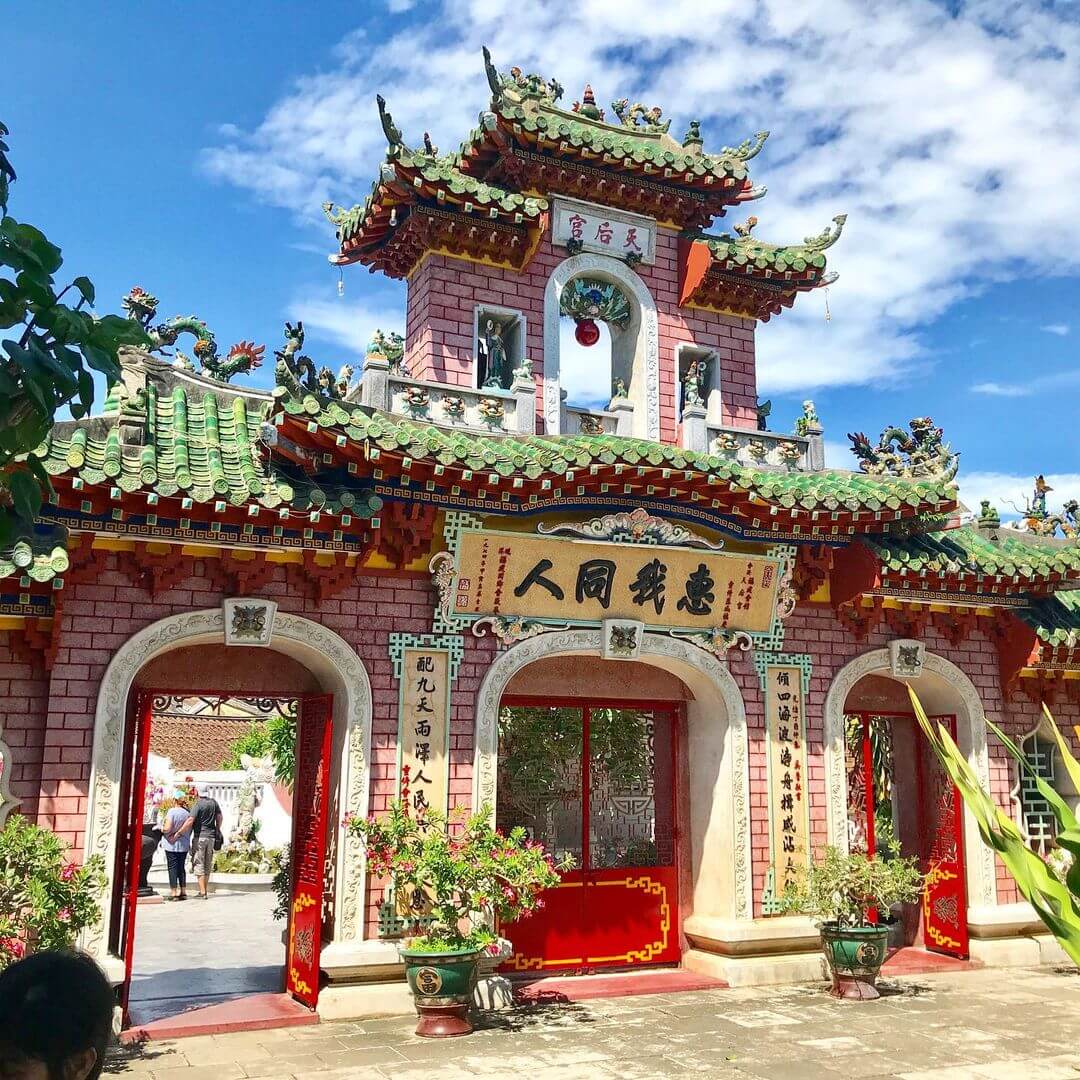
To know more about Hoi An culture, visiting assembly halls is the not-to-be-missed experience. Phuc Kien Assembly Hall is famous for its architecture with a three-door gate, a shrine and several incense coils. Constructed in 1885, Quang Dong Assembly Hall has an elaborate and sophisticated architecture. Especially, the artifacts displayed here depict the peaceful life of the ancient Cantonese people. Built in the mid-19th century to worship Ma Yuan, Trieu Chau Assembly Hall possesses the unique artistic architecture with great historical values.
6. Hoi An Central Market
Situated along the lush banks of Thu Bon River, Hoi An Central Market is the largest market, offering a perfect shopping experience. Coming here, tourists will be amazed at the smell of fragrant herbs, the vibrant colors of Vietnamese silk and local foodstuffs. Representing a well-known bustling port, Hoi An Central Market is crowded and bustling, regardless of the time of day. It also becomes a culinary paradise, where visitors can find any dishes, from street food to countrywide-renowned dishes.
7. Hoi An Museum
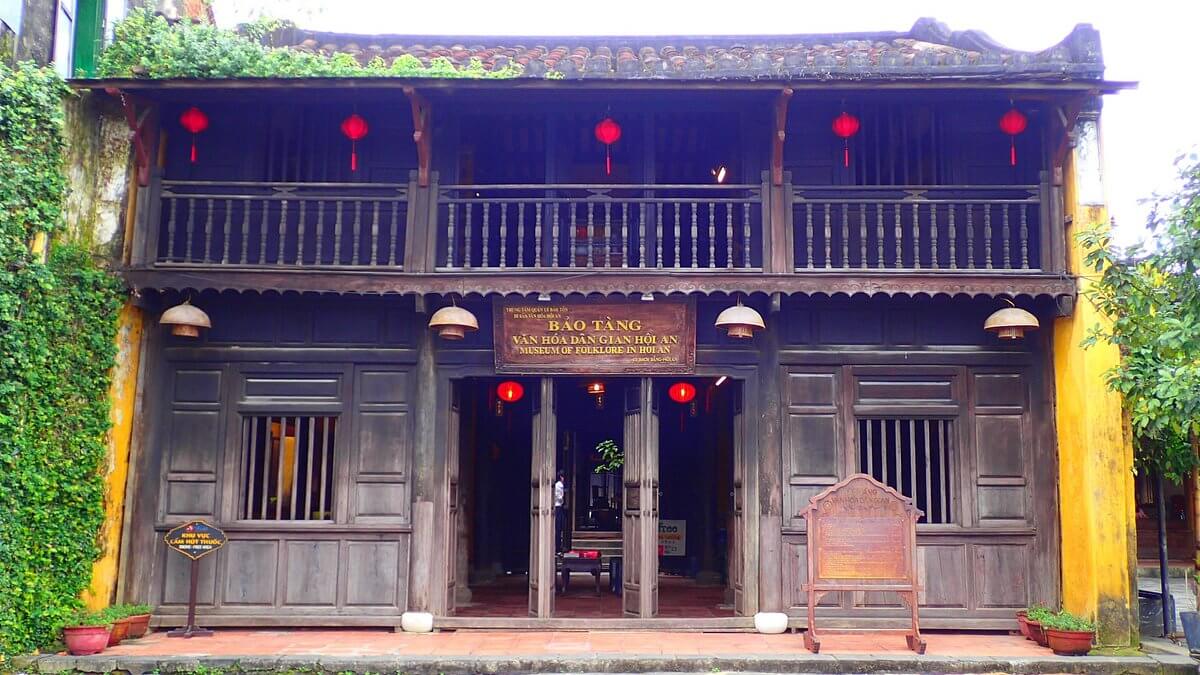
Known as the Museum of History and Culture, the museum was originally constructed in the 1600s for the Goddess of Mercy, Guan Yin. Constructed in 1989, the museum has totally 335 exhibits and documents, regarding the formation and development of Hoi An. Here, many artifacts are displayed, including photographs of local architecture, paintings, ceramics and pottery of the Cham and the colonial period. The museum offers an insight into the heritage and long-standing history of Hoi An.
8. Hoi An Silk Village
About one kilometer far from Hoi An Ancient Town, Hoi An Silk Village is an interesting destination to explore the ancient weaving techniques. It is a quaint village with a range of traditional homes. During the trip, tourists will learn more about the production of silk from silkworm to dress. The village is a great destination to purchase silk pieces as gifts or souvenirs for friends and beloved family members.
9. Tan Ky Family House
Situated in the Old Town, Tan Ky Family House is one of the most historically significant buildings in Hoi An. Constructed in the 18th century, the house used to belong to a family of merchants. Visitors coming here will be amazed at the unique architectural style, mixed among Japanese, Chinese and traditional Vietnamese design. Tourists also witness the original furniture and memorabilia of the merchant family, which gives visitors the insight on the life of ole people in Hoi An.
10. Tra Que Vegetable Village
Tra Que Culinary Village is an organic vegetable farm planting veggies and herbs for culinary and medicinal. Apart from growing and trading, the village also provides programs to teach visitors on traditional techniques such as hoeing soil, planting, and harvesting. Cooking classes is also offered so that visitors learn to make food while enjoying a traditional music and dance performance. Besides, a spa of therapeutic foot massage is provided by using Vietnamese herbs to reduce aches and pains for the foot.
HOI AN TRADITIONAL FESTIVALS
1. Hoi An Lantern Festival
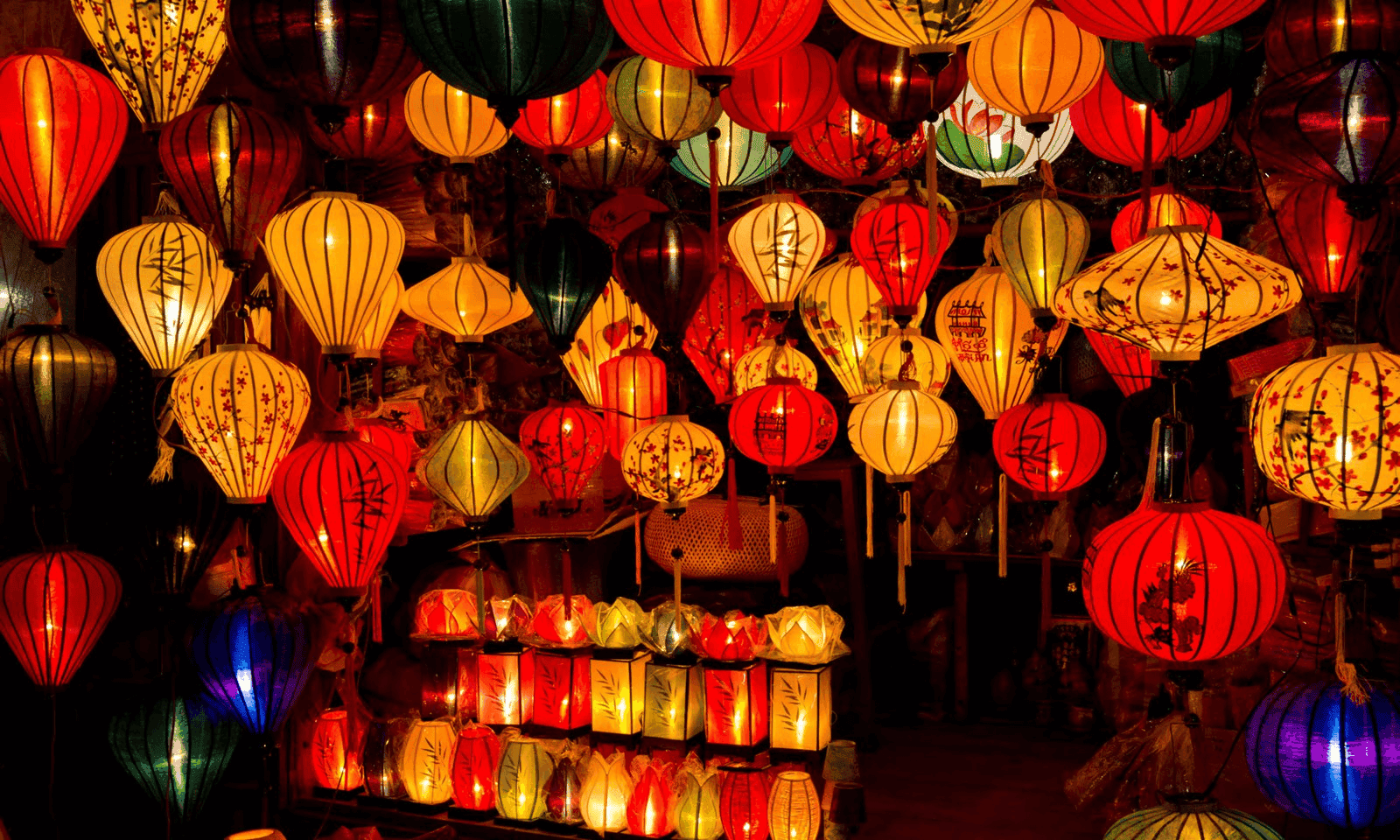
Hoi An Lantern Festival is held monthly to celebrate the full moon and to worship deceased relatives. In the festival, the beautiful multi-colored lanterns are lit with candles and placed on the Thu Bon River to pray for happiness, luck and peace. At night, electricity is turned off so the colorful floating lanterns illuminate the whole river, creating a glowing space in the twinkling moonlight.
2. Wandering Soul Day
Held on the fifteenth day of the seventh lunar month, the festival is to show gratitude toward the deceased parents. Lights are set afloat on the river to guide the wandering souls to nirvana. On this night, food is spread out on an altar to appease the souls' hunger, and false money is burnt to honor them.
3. Nguyen Tieu Festival
It is held to introduce cultural and artistic traditions to domestic and international visitors. Celebrated annually on the 16th of the first lunar month, the festival is to honor Emperor Shen Nong and the tutelary Gods to pray for bumper crops.
4. Long Chu Festival
Celebrated on the 15th of the seventh and eighth lunar month, Long Chu Festival is a festival with bolded cultural belief and religion. At the festival, many religious ceremonies are carried out to fight against the diseases.
5. Lady Thu Bon Festival
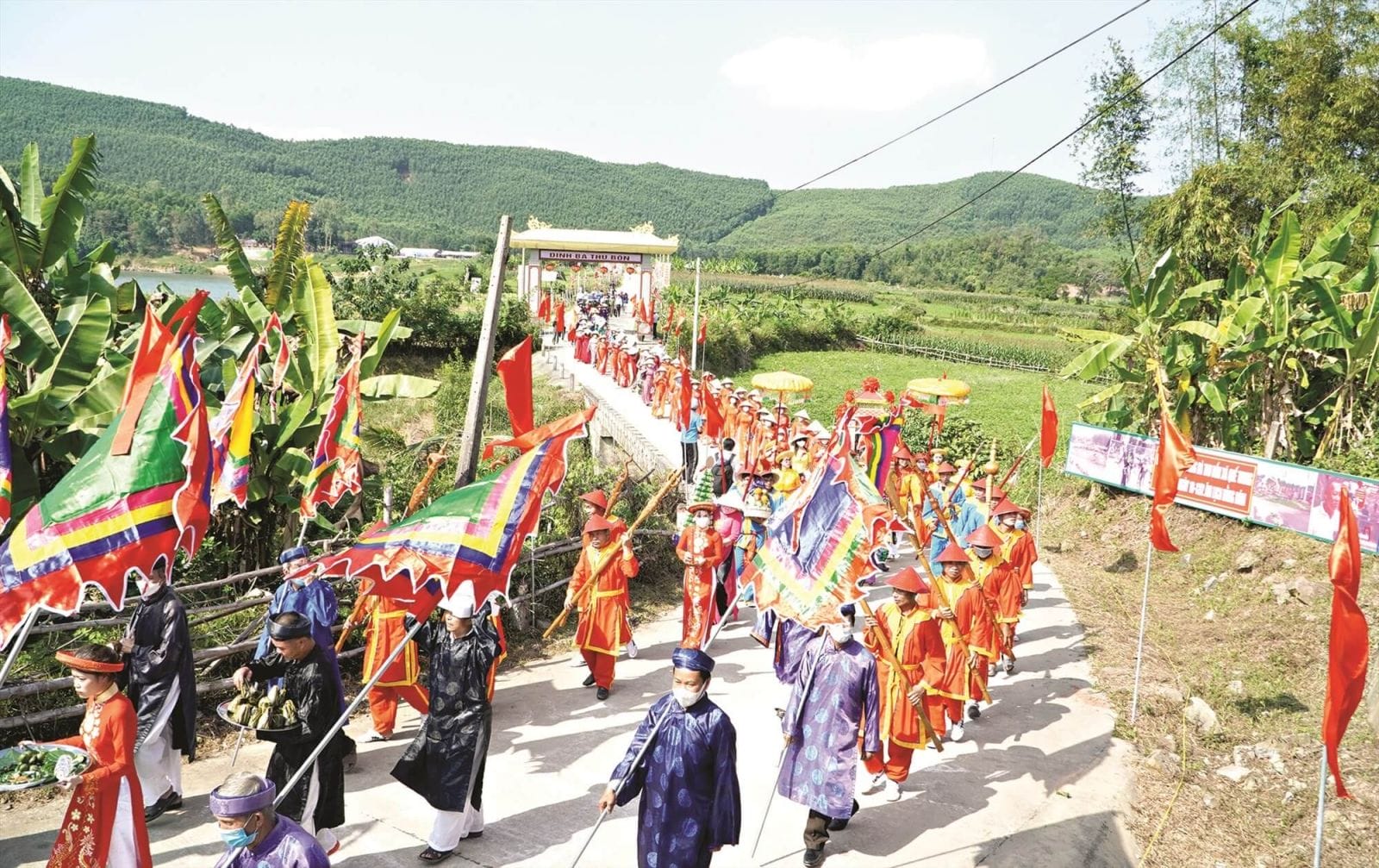
Held on the 12th day of the second lunar month, Lady Thu Bon Festival is a traditional festival of the ancient Cham Pa people to show great gratitude to Lady Thu Bon, who had a great contribution to agriculture and fishery in alluvial land. There are many traditional games, art performances, fashion shows and photo exhibitions.
WHAT TO EAT
Hoi An is a culinary heaven, for food lovers to explore. From street food to fine dining, it is undeniably delicious and surprisingly affordable.
1. Cao Lau (Rice Noodles With Barbecued Pork, Greens and Croutons)
Cao Lau is made with noodles, pork, and local greens and is served with local herbs and vegetables, bringing unforgettable flavors.
2. Com Ga Hoi An (Hoi An Chicken Rice)
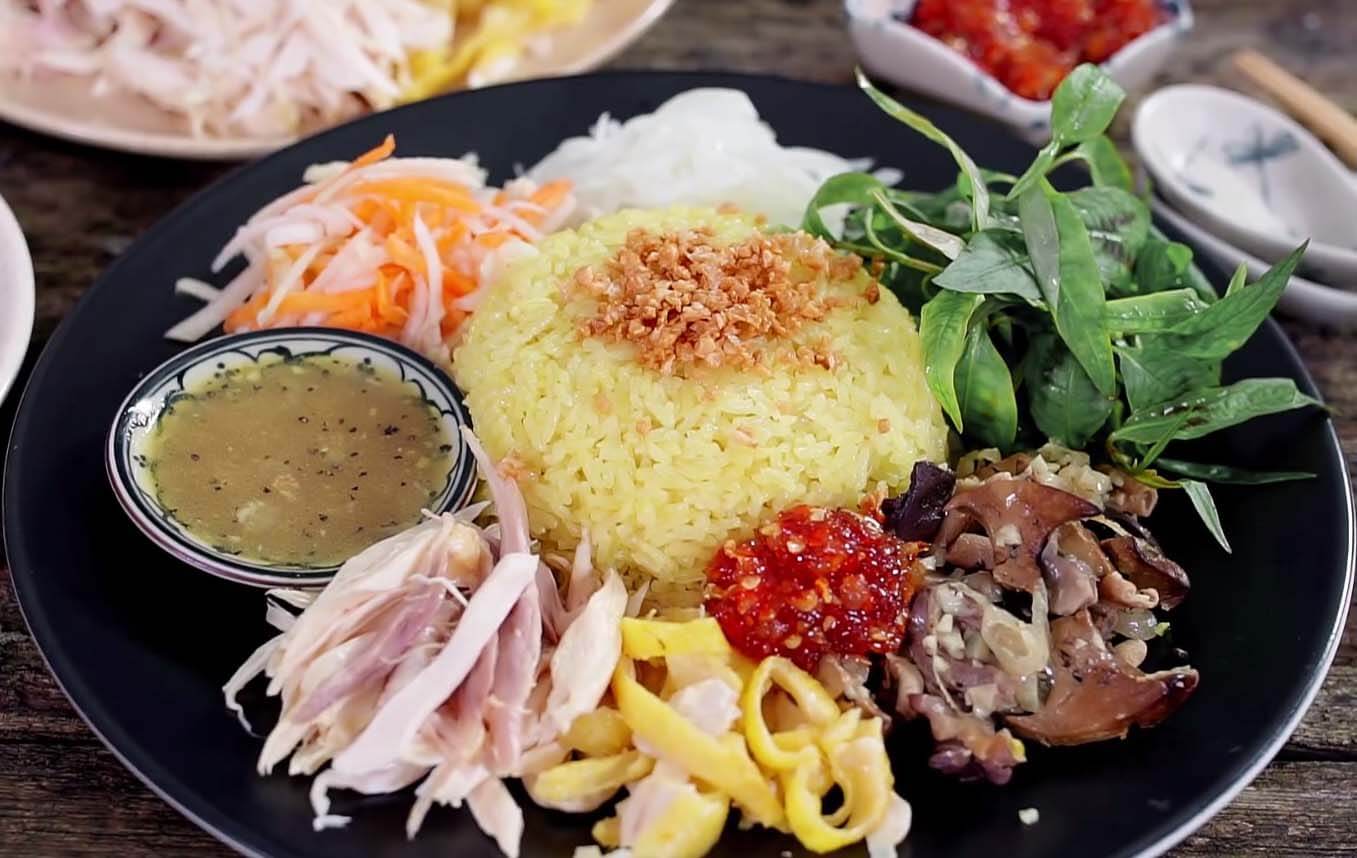
Rice and chicken chosen is highly qualified. Chicken is torn into smaller pieces and mixed with spices, pepper, and chili with roasted rice. Rice is cooked with chicken broth, which brings inviting flavor.
3. Hoanh Thanh (Fried Wonton)
The main ingredients of Hoanh Thanh are rice flour, filled with egg, pork, shrimp and spices. The dish is eaten with soup or deep-fried.
4. Mi Quang (Quang Noodles)
As a popular country dish in Hoi An, My Quang is made from flat rice noodle, fermented pork, shrimp, crackers and vegetables.
5. Xi Ma (Black Sesame Sweet Soup)
Xi Ma is a smooth and luscious soup with sesame taste, made from black sesame, coconut, rice flour, and sugar.
6. White Rose Dumplings
A white rose dumpling is a delicate steamed dumpling made with rice flour and a spiced minced shrimp or pork filling.
7. Banh Mi (Bread)
Despite the popular food in Vietnam, the best breads are only found in Hoi An. Diners can choose from different fillings such as roasted pork, fried egg or boiled sausages.
Travelers talk about us ...
Found this trip organiser on forums/websites and thank to some very good reviews, my friend and I were looking to discover the Vietnamese's
I was referred by a friend to Mr. Ha Nguyen at Vietnam Original Travel - Hanoi Branch and I’m so very very pleased that I was
We pre-booked a short trip around Northern Vietnam with Vietnam Original tours. They responded very quickly to email and were very helpful
And we are recommended